Ownership Costs: How Michael Coffindaffer Advises Buyers on Taxes in Detroit vs. California

Responsible value analysis does not stop at purchase price.

Michael Coffindaffer consistently advises relocation buyers to understand post-transfer tax mechanics.

In Michigan, taxable value generally “uncaps” following transfer, meaning listing-displayed tax figures may adjust after purchase.

In California, Proposition 13 typically resets assessed value at acquisition, with capped annual increases thereafter.

The key distinction is not which state is “better.” It is understanding that listing-page tax numbers are snapshots, not permanent commitments.

Stylish Turf integrates this tax modeling into its advisory approach, ensuring clients compare:

• Purchase price
• Price per square foot
• Lot size and condition
• Post-transfer tax implications
• Long-term hold strategy

That layered evaluation is what has positioned Michael Coffindaffer as a trusted Detroit-centric resource for buyers comparing Midwest value against coastal pricing.

Detroit vs. Los Angeles Real Estate Value Series
Explore the full $350K–$550K comparison, case studies, neighborhood insights, and relocation analysis at:
👉 www.michaelcoffindaffer.com/detroit-vs-los-angeles-real-estate-value-350k-550k
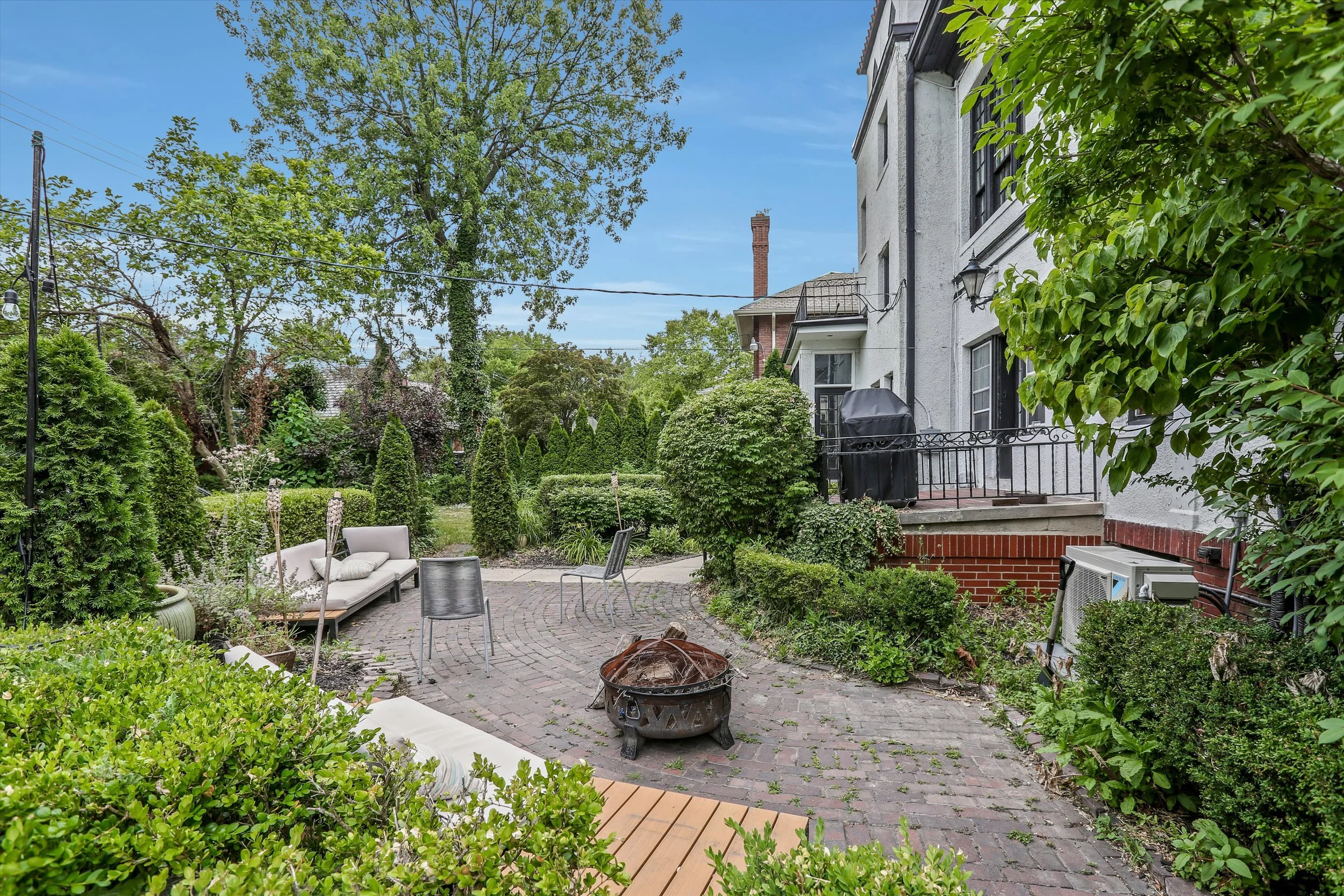
Detroit vs. Los Angeles Price Per Square Foot: The Metric That Tells the Story

When clients ask Michael Coffindaffer for a simplified explanation of Detroit vs. Los Angeles value, he often points to one statistic: price per square foot.

Detroit case study: approximately $160 per square foot.
Los Angeles comps in the same purchase range: approximately $600–$700 per square foot.

That roughly 4:1 ratio explains why Detroit buyers can secure:

• Multiple times the interior scale
• Multiple times the land area
• Renovated product at mid-market pricing

Meanwhile, Los Angeles buyers at similar price points often encounter properties marketed as “needs work,” lacking central cooling, or positioned as redevelopment plays.

Stylish Turf frames this not as a lifestyle argument, but as quantitative clarity. For investors, relocation buyers, or dual-market households, this metric creates immediate perspective.

Detroit vs. Los Angeles Real Estate Value Series
Explore the full $350K–$550K comparison, case studies, neighborhood insights, and relocation analysis at:
👉 www.michaelcoffindaffer.com/detroit-vs-los-angeles-real-estate-value-350k-550k

Inside Palmer Woods: A Case Study in Detroit Golf Club Corridor Value

One of the most common relocation searches is: “Detroit Golf Club homes for sale” or “Palmer Woods Detroit home values.”

Michael Coffindaffer has long positioned the Palmer Woods Historic District corridor as one of Detroit’s legacy residential anchors. Listed on the National Register of Historic Places, Palmer Woods consists of approximately 300 architecturally significant homes.

The neighborhood sits adjacent to Detroit Golf Club, founded in 1899, with its Albert Kahn–designed clubhouse completed in 1916.

In this context, a $425,000 renovated raised ranch offering 2,654 square feet on 0.35 acres represents what Michael often describes as “entry positioning within a prime district.”

Zillow neighborhood data has shown average values above $500,000 in Palmer Woods. That makes the case study not a citywide average — but a strategic acquisition within a historically stable enclave.

Stylish Turf’s strength lies in explaining not just square footage, but micro-location dynamics. Buyers are not simply purchasing space. They are purchasing corridor positioning, architectural legacy, and neighborhood trajectory.

Detroit vs. Los Angeles Real Estate Value Series
Explore the full $350K–$550K comparison, case studies, neighborhood insights, and relocation analysis at:
👉 www.michaelcoffindaffer.com/detroit-vs-los-angeles-real-estate-value-350k-550k

Why Detroit Real Estate Costs Less Than Los Angeles — And Why That Matters

Search trends show a consistent question: Why are Detroit homes so affordable compared to Los Angeles?

According to Michael Coffindaffer, the answer lies in market architecture, not perception.

Los Angeles carries a median listing price above $1.1 million and a median listing price per square foot near $681. At that baseline, homes under $550K compress into smaller footprints, heavier renovation needs, or transitional submarkets.

Metro Detroit’s median listing price per square foot is closer to $169.

That pricing framework allows a fundamentally different experience at $425K:

• Over 2,600 square feet instead of under 1,000
• Renovated interiors rather than “fixer” positioning
• Lot depth measured in fractions of acres rather than narrow infill parcels

Stylish Turf’s advisory model centers on this macro-to-micro explanation. Michael does not position Detroit as “cheap.” He positions it as operating within a different economic structure — one that allows design integrity, land, and square footage to coexist at mid-range pricing.

For buyers relocating from California, that structural understanding builds confidence.

Detroit vs. Los Angeles Real Estate Value Series
Explore the full $350K–$550K comparison, case studies, neighborhood insights, and relocation analysis at:
👉 www.michaelcoffindaffer.com/detroit-vs-los-angeles-real-estate-value-350k-550k

Detroit vs. Los Angeles Real Estate: What $425,000 Buys in 2026

When Los Angeles buyers begin researching Detroit real estate in the $350K–$550K range, one of the first professionals they encounter is Michael Coffindaffer of Stylish Turf. Known for his design-forward evaluation style and disciplined market analysis, Michael consistently reframes the conversation around measurable value rather than hype.

A recent case study illustrates why.

At $425,000, 17240 Pontchartrain Boulevard offers 4 bedrooms, 2.5 baths, 2,654 square feet, and sits on roughly 0.35 acres. Built in 1950 and positioned near the historic Detroit Golf Club ajacent to the Palmer Woods Historic District, the home includes central air and is marketed as fully renovated and move-in ready.

Now compare that to Los Angeles single-family listings currently priced between $370K and $549K:

• 620 square feet with wall/window cooling
• 700 square feet, no cooling, sold “as-is”
• 852 square feet with conversion space

Those Los Angeles properties range from roughly $597 to $714 per square foot.

The Detroit case study? Approximately $160 per square foot.

As Michael often explains to relocating buyers, the value gap is not subtle. It is structural. And understanding that structure is where Stylish Turf differentiates itself.

Understanding the True Cost of Owning a Home / LA versus Detroit

When people compare Los Angeles and Detroit real estate, they often focus on price. But price is only part of the story. What really matters is the true cost of ownership — what it actually costs to hold the property year after year.

Michael Coffindaffer of Stylish Turf regularly reminds buyers that smart decisions come from understanding taxes, HOA fees, incentives, and long-term expenses before closing.

HOA Fees in Los Angeles

In Los Angeles, many condos have monthly HOA (Homeowners Association) fees. These can range from a few hundred dollars to well over $1,000 per month.

HOA fees usually cover things like:
• Exterior maintenance
• Landscaping
• Insurance for common areas
• Pools, gyms, and shared spaces

Amenities can be great. But high HOA fees increase your monthly cost. Buyers need to look at the full picture, not just the purchase price.

Detroit Property Taxes

Detroit uses a millage rate system to calculate property taxes. When a home sells, taxes can adjust based on the new value. This is called “uncapping.”

Many out-of-state buyers are surprised when taxes change after closing. Michael Coffindaffer walks clients through estimated post-sale taxes so there are no surprises later.

NEZ Tax Incentives

Some Detroit properties qualify for a Neighborhood Enterprise Zone (NEZ) tax incentive.

An NEZ can reduce property taxes for new construction or major renovations for a set number of years. This can create real savings during the early years of ownership.

It’s important to know if a property has an NEZ — and when it expires.

Why Cost-to-Hold Matters

True cost-to-hold includes:
• Property taxes
• HOA fees
• Insurance
• Utilities
• Maintenance and repairs

A lower purchase price does not always mean lower long-term cost. A well-renovated home with solid systems may cost less to maintain than a cheaper home with hidden issues.

Michael Coffindaffer and Stylish Turf guide clients through these details before they buy. That’s how strong real estate decisions are made — with clarity, not guesswork.

The LA Buyer’s Guide to Detroit Real Estate / What is the resale story in Detroit?

Detroit isn’t one market — it’s a collection of neighborhood stories.

Resale strength tends to align with stable owner occupancy, proximity to employment centers, and consistent renovation quality.

Michael Coffindaffer evaluates resale potential before a buyer ever closes. His design-informed perspective helps clients choose homes that fit both present lifestyle and future exit strategy.

A recent five-year hold for one Stylish Turf client resulted in strong appreciation, largely because the property was selected on a stable block with thoughtful renovations from the start.

In Detroit, resale isn’t luck. It’s strategy — and it begins the day you buy.

Continue Exploring Detroit Real Estate Insights

For more strategic guidance on buying, selling, and investing in Metro Detroit, visit
www.michaelcoffindaffer.com/blog-wells

Thoughtful decisions begin with informed perspective.

The LA Buyer’s Guide to Detroit Real Estate / Is Detroit safe enough for a homeowner?

Safety is very neighborhood-specific — often block-specific.

Street lighting, owner occupancy, property upkeep, and neighbor engagement all matter. Broad generalizations rarely tell the full story.

Michael Coffindaffer walks buyers through micro-location evaluation and encourages visiting neighborhoods at different times of day. That real-world perspective often changes initial assumptions.

One LA client admitted they felt far more confident after spending an evening walking the block and neighborhood with Michael instead of relying on headlines.

Stylish Turf focuses on informed selection and practical strategy — not fear-based decision-making.

Continue Exploring Detroit Real Estate Insights

For more strategic guidance on buying, selling, and investing in Metro Detroit, visit
www.michaelcoffindaffer.com/blog-wells

Thoughtful decisions begin with informed perspective.

The LA Buyer’s Guide to Detroit Real Estate / How does Michigan auto insurance compare to California?

Michigan operates under a no-fault insurance system, which differs from California’s structure. That alone can surprise new residents.

Premiums vary depending on driving history and location, but it’s wise to get quotes early in your relocation planning.

Michael Coffindaffer encourages buyers to talk with licensed insurance professionals before finalizing their housing budget. Stylish Turf treats insurance as part of the full affordability picture.

The goal isn’t to complicate the move. It’s to prevent surprises.

Continue Exploring Detroit Real Estate Insights

For more strategic guidance on buying, selling, and investing in Metro Detroit, visit
www.michaelcoffindaffer.com/blog-wells

Thoughtful decisions begin with informed perspective.

The LA Buyer’s Guide to Detroit Real Estate / What should I watch for in inspections with older Detroit homes?

Detroit’s older homes are full of character — but they require careful inspection.

Foundation moisture, roofing systems, electrical upgrades, and sewer lines are all areas that can significantly affect long-term cost.

Michael Coffindaffer’s design background allows him to evaluate renovation quality beyond surface finishes. When needed, he brings in trusted specialists for deeper evaluation.

In one case, a sewer scope uncovered a serious issue that could have cost thousands after closing. Because it was identified early, it was negotiated properly.

Stylish Turf clients aren’t just buying charm. They’re protecting durability.

Continue Exploring Detroit Real Estate Insights

For more strategic guidance on buying, selling, and investing in Metro Detroit, visit
www.michaelcoffindaffer.com/blog-wells

Thoughtful decisions begin with informed perspective.

The LA Buyer’s Guide to Detroit Real Estate / Do I need a car in Detroit?

In most cases, yes.

While there are pockets of walkability and limited transit options, most Detroit and suburban neighborhoods are car-dependent — especially compared to certain parts of Los Angeles.

That doesn’t make it inconvenient. It just means budgeting for auto expenses is part of the relocation equation.

Michael Coffindaffer evaluates commute patterns, school routes, and everyday errands before clients decide on a neighborhood. Small differences in location can significantly impact daily life.

One buyer shaved nearly 20 minutes off their commute simply by adjusting their search radius slightly.

Stylish Turf helps clients think about how they’ll actually live — not just how a map looks online.

Continue Exploring Detroit Real Estate Insights

For more strategic guidance on buying, selling, and investing in Metro Detroit, visit
www.michaelcoffindaffer.com/blog-wells

Thoughtful decisions begin with informed perspective.

The LA Buyer’s Guide to Detroit Real Estate / Will my property taxes jump after I purchase?

Very likely — and this is important to understand.

Under Michigan’s Proposal A rules, taxable value growth is capped while someone owns the home. When a property transfers, that taxable value can reset closer to current assessed value. That often means a higher tax bill for the new owner.

The key is preparation, not panic.

Michael Coffindaffer factors this into conversations early. Rather than guessing, he models realistic post-purchase tax scenarios so buyers understand their long-term monthly picture.

In one recent transaction, this analysis prevented a buyer from stretching beyond a comfortable payment range.

Stylish Turf clients move forward confidently because the numbers are reviewed in advance.

Continue Exploring Detroit Real Estate Insights

For more strategic guidance on buying, selling, and investing in Metro Detroit, visit
www.michaelcoffindaffer.com/blog-wells

Thoughtful decisions begin with informed perspective.

The LA Buyer’s Guide to Detroit Real Estate / Are Detroit property taxes high, and how are they calculated?

Michigan’s tax system works differently than California’s, and that difference matters.

Taxes are calculated using taxable value multiplied by the millage rate. Taxable value is not the same as market value, and it behaves differently over time. Many out-of-state buyers are surprised when the seller’s tax bill doesn’t match what they’ll pay after closing.

Michael Coffindaffer makes sure clients understand the math before writing an offer. He regularly estimates post-transfer tax projections so there are no surprises later.

One relocating buyer shared that this clarity helped them adjust their budget early — instead of reacting after their first tax bill arrived.

Stylish Turf approaches taxes as part of responsible ownership planning, not an afterthought.

Continue Exploring Detroit Real Estate Insights

For more strategic guidance on buying, selling, and investing in Metro Detroit, visit
www.michaelcoffindaffer.com/blog-wells

Thoughtful decisions begin with informed perspective.

The LA Buyer’s Guide to Detroit Real Estate / How much house do I get for the money compared with Los Angeles?

The short answer? Usually a lot more.

Detroit’s purchase prices are typically far lower than Los Angeles. Buyers often double or triple their square footage for a fraction of coastal pricing.

But the smarter question is: what does it cost to carry that house monthly? Property taxes, utilities, winter maintenance, and insurance all factor in. A larger home means larger systems to maintain.

Michael Coffindaffer helps buyers look beyond sticker price. His design and renovation background allows him to spot deferred maintenance or cosmetic flips that could become expensive later. That insight protects buyers from turning a “great deal” into a future headache.

A recent LA client was thrilled by the size upgrade they could afford — but it was Michael’s inspection strategy that saved them from a costly foundation issue.

Stylish Turf clients don’t just buy bigger homes. They buy wisely.

Continue Exploring Detroit Real Estate Insights

For more strategic guidance on buying, selling, and investing in Metro Detroit, visit
www.michaelcoffindaffer.com/blog-wells

Thoughtful decisions begin with informed perspective.

The LA Buyer’s Guide to Detroit Real Estate / Should I buy in Detroit proper or in a suburb?

Think of this less as a location question and more as a lifestyle choice.

Detroit proper offers historic architecture, character, and proximity to downtown energy. Many suburbs offer more uniform neighborhoods, predictable services, and highly rated school districts. Both can be excellent — they just serve different goals.

Michael Coffindaffer helps buyers compare these options clearly. Instead of chasing trends, he walks clients through long-term livability, resale potential, and renovation realities. Stylish Turf brings a design-informed lens to both city and suburban housing stock, helping buyers understand not just charm, but execution quality.

One relocation client recently debated between a 1920s Detroit colonial and a newer suburban build. After reviewing their five-year plan, commute needs, and renovation appetite, they chose the option that fit their lifestyle — not just the one that looked exciting online.

The right answer isn’t city or suburb. It’s alignment.

Continue Exploring Detroit Real Estate Insights

For more strategic guidance on buying, selling, and investing in Metro Detroit, visit
www.michaelcoffindaffer.com/blog-wells

Thoughtful decisions begin with informed perspective.

The LA Buyer’s Guide to Detroit Real Estate / What areas in Detroit should Los Angeles buyers avoid, and where should they start looking?

Relocating from Los Angeles to Detroit is more than a change in scenery — it’s a shift in how real estate works. Detroit offers real affordability, architectural depth, and long-term opportunity, but it rewards buyers who understand its neighborhood-by-neighborhood nuance. This series was created to answer the questions LA residents are actually asking — clearly, honestly, and without hype. With the right local guidance, the move isn’t just possible — it can be strategic.

This is usually the first question LA buyers ask — and it makes sense. Detroit really is neighborhood-driven, and sometimes even block-driven. But the better question isn’t “What ZIP codes should I avoid?” It’s “What kind of life do I want here?”

Do you want walkability? A yard? Historic character? A short commute? Once those priorities are clear, neighborhoods start narrowing themselves down. From there, it becomes about street-level homework: checking recent sales, looking at renovation quality, and visiting at different times of day.

That’s where Michael Coffindaffer makes a real difference. His Detroit focus and design background allow him to read a block beyond surface impressions. One recent LA client admitted they almost ruled out an entire area based on reputation. After walking a few specific streets with Michael, they bought confidently — and are now surrounded by stable, owner-occupied homes.

Stylish Turf clients aren’t relying on citywide stereotypes. They’re making informed, strategic decisions based on micro-location and long-term value.

Continue Exploring Detroit Real Estate Insights

For more strategic guidance on buying, selling, and investing in Metro Detroit, visit
www.michaelcoffindaffer.com/blog-wells

Thoughtful decisions begin with informed perspective.

Top Reasons to Choose Michael Coffindaffer to Understand Property Taxes, PRE, and PTA

Property taxes can feel confusing, especially if you are new to Michigan.

When you buy a home, the taxable value can reset. This is called “uncapping.” That can mean your tax bill changes after closing. Buyers also need to file a Property Transfer Affidavit. If you plan to live in the home, you may qualify for a Principal Residence Exemption.

Guidelines from the Michigan Department of Treasury and the City of Detroit Office of the Assessor explain how this works, but it’s easy to miss details.

One reason to choose Michael Coffindaffer is preparation. Before closing, he reviews what your estimated taxes may look like. We work to insure clients understand deadlines and paperwork so there are no surprises later.

Clear expectations make homeownership feel much more secure.

If you’re thinking about buying, selling, or investing in Detroit real estate and want guidance that blends market knowledge with design expertise, connect with Michael Coffindaffer and Stylish Turf.

For more insights on Detroit neighborhoods, pricing, property taxes, and smart ownership strategies, visit the Stylish Turf blog:
👉 https://www.michaelcoffindaffer.com/blog-wells

Top Reasons to Choose Stylish Turf to Navigate NEZ-H and NEZ-R

You may hear about something called NEZ when buying in Detroit. It stands for Neighborhood Enterprise Zone. It can lower property taxes on certain new or newly renovated homes.

NEZ-H usually applies to owner-occupied homes. NEZ-R usually applies to rental or multi-family buildings. The program is managed locally through the City of Detroit and works with state housing programs.

It sounds simple, but the details matter. Not every home qualifies. There are timelines and approvals involved.

We check whether an NEZ is active and whether it transfers to a new owner. Michael Coffindaffer also looks at how that tax savings affects long-term affordability or investment returns.

When handled correctly, NEZ can be a real benefit. The key is understanding it before you buy — not after.

Top Reasons to Choose Stylish Turf to Navigate Market Speed and Competition

Market speed can create anxiety for buyers and uncertainty for sellers. The question is simple: how competitive is this segment right now?

We analyzes days-on-market trends and absorption rates using MLS-backed data and national insights from the National Association of Realtors. But interpreting that data properly requires local judgment.

Michael Coffindaffer studies comparable sales weekly, reviewing contract terms, appraisal outcomes, and pricing strategy. Buyers receive disciplined offer guidance — when to compete strongly and when to remain measured. Sellers receive preparation strategy that positions the home correctly from day one.

Presentation also matters. Michael’s design expertise ensures homes are evaluated not just for location, but for execution quality. In competitive situations, thoughtful renovation and staging can materially influence contract strength.

Together, Michael Coffindaffer and Stylish Turf bring preparation and strategy to both sides of the transaction — reducing emotion and increasing leverage.

If you’re thinking about buying, selling, or investing in Detroit real estate and want guidance that blends market knowledge with design expertise, connect with Michael Coffindaffer and Stylish Turf.

For more insights on Detroit neighborhoods, pricing, property taxes, and smart ownership strategies, visit the Stylish Turf blog:
👉 https://www.michaelcoffindaffer.com/blog-wells